Showing posts with label Homeopathy researches. Show all posts

Immunological studies on Rheumatoid Arthritis treated with Homeopathic drugs: Results of the Pilot Study

Wednesday, 1 May 2013

Research Paper from CCRH

Immunological studies on Rheumatoid Arthritis treated with Homeopathic drugs: Results of the Pilot Study by  Prakash Rao  & Nagalakshmi Prasanna M
Clinical Research Unit (Homoeopathy) Puducherry
Senior Research Fellow, JIPMER, Puducherry


Introduction & Objective: Rheumatoid Arthritis (RA), a systemic disease, is characterized by a chronic inflammatory reaction in the synovium of joints. The inflammation is mediated by inflammatory cytokines. The objective of the study was to evaluate efficacy of homeopathic drugs and changes in the cytokine profile of rheumatoid arthritis patients treated with homeopathic drugs. Materials and Methods: A total of 35 rheumatoid arthritis patients and 10 healthy controls completed this pilot study. The patients were treated with Rhus tox. (8), Pulsatilla (8) and Medorrhinum (9) according to totality of symptoms. The control group (10) received placebo. The patients were evaluated for disease activity at the time of enrollment in the study and after 3 weeks of therapy. Serum cytokine levels (IL-1α, IL-1β, IL-2, IL-6 and TNF-α) were measured at baseline and after 3 weeks of treatment.
Result: Patients receiving Rhus tox. showed significant improvement in Patient Visual Analogue Score (VAS) for global assessment of disease after 3 weeks of therapy compared to placebo group(p = 0.03). Patients receiving Pulsatilla showed a significant improvement in tender joint count (p = 0.01) at the end of 3 weeks compared to baseline. They also showed significant decrease in ESR (p
= 0.02) as compared to placebo. However, hs-CRP values in treatment groups did not show significant difference when compared to the placebo group at baseline and after therapy. There was a significant decrease in IL 6 levels after 3 weeks of therapy in the patients treated with Rhus tox. and Medorrhinum
compared to placebo (p=0.05 and 0.04 respectively). Surprisingly, there was a significant increase in IL 6 level in the placebo group compared to their baseline values (p = 0.04), suggesting ineffectiveness of placebo and worsening of the disease process.
Conclusion: In the present open label placebo controlled pilot study patients treated with 3 weeks of homeopathic drugs showed improvement in clinical features, reduction in parameters of inflammation and IL6 levels. These observations suggest a possible immunomodulatory role of homeopathic drugs in Rheumatoid Arthritis which need to be confirmed by further studies.

Detailed Report with download link : https://www.box.com/s/iz4x1fk0fiohyhh2hj7i

To swallow or not to swallow…that is the question!

Monday, 5 March 2012


यूटा मॆटिल की पोस्ट , ’ To swallow or not to swallow…that is the question!’ कई अर्थों मे महत्वपूर्ण है । अधिकतर होम्योपैथ दवाओं को oral route यानि मुँह द्वारा ही लेने की सलाह देते हैं जैसा कि यूटा के एक सर्वे से स्पष्ट है । स्वंय हैनिमैन ने भी आर्गेनान सेक्शन २७२ में इस तथ्य को रखा है :
In Aphorism 272 he describes to the homeopath that a “granule placed dry on the tongue, is one of the smallest administrations for the less severe, only recently developed cases of disease” [10] (p.158). He goes on to point out that as such, only few nerves are touched by the medication. Further he describes that if the granule is dissolved in water and is prior to repeated ingestion succussed; a much stronger medication is created of which even the tiniest dose comes into instant contact with many nerves [10]. Yet, this also does not deliver indications for a definite necessity of transmucosal absorption.
लेकिन इसके बावजूद हैनिमैन ने चिकित्सकों को अन्य routes को भी अपनाने की सलाह भी दी  है जिनमें olfaction method प्रमुख है । पिछ्ले वर्ष से अब तक स्वंय मैने भी इस तथ्य को क्लीनकल प्रैक्टिस मे अनुभव किया कि कई होम्योपैथिक दवायें olfaction method से बेहतर कार्य करती हैं जैसे कि acute respiratory infections विशेषकर acute asthma ( दमा ) मे Ipecac 0/3 से 0/10 . arsenic 0/5, और sambucus 0/3 मुँह द्वारा प्रयोग करने की अपेक्षा nebulizer route से अधिक प्रभावी साबित होती है । इसका कारण क्या हो सकता है , इसके बारे मे तो अगर और अधिक रिसर्च हों तो शायद कहना मुमकिन हो ।
फ़िलहाल यूटा मॆटिल की पोस्ट , ’ To swallow or not to swallow…that is the question!’ का आंकलन करें उनके ब्लाग http://cleverhomeopathy.wordpress.com
पर ।

Extreme Homeopathic Dilutions retain starting materials- A nanoparticulate perspective : research Paper by IIT researchers Prashant , A.K.Suresh, Jayesh Bellare & Shantaram Govind

Wednesday, 11 January 2012

http://youtu.be/qIXidAOx65M


छह महीने पहले ब्रिटिश मेडिकल असोसिएशन द्वारा होम्योपैथी के वैज्ञानिक आधार को लेकर लगाए गए सवालिया निशान का भारत के वैज्ञानिकों ने करारा जवाब दिया है। आईआईटी बॉम्बे के वैज्ञानिकों ने अपने एक शोध में साबित किया है कि होम्योपैथी की छोटी, उजली और मीठी गोलियां नैनोटैक्नॉलजी के सिद्धांत पर काम करती हैं।

आईआईटी बॉम्बे ने हाल ही में 'अलसेवियर' मैगजीन में ' होम्योपैथी ' पर एक रिसर्च प्रकाशित किया है। इसमें कहा गया है कि होम्योपैथी पिल्स में सोना, तांबा और लोहा जैसे नैचरल मेटल्स होते हैं। इनके घुलने की क्षमता मीटर के एक अरबवें हिस्से तक की होती है।

गौरतलब है कि आईआईटी बॉम्बे के केमिकल इंजिनियरिंग के वैज्ञानिकों ने होम्योपैथिक पिल्स के घुलने की क्षमता का अध्ययन किया। वैज्ञानिकों ने गोलियों के घुलने के बाद शक्तिशाली इलेक्ट्रॉन माइक्रोस्कोप से इस घोल का अध्ययन किया और उनमें मौजूद मेटल्स के नैनो पार्टिकल्स का पता लगाया।

वैज्ञानिकों की टीम में शामिल डॉक्टर जयेश बेल्लारी ने बताया, 'निश्चित रूप से अतिघुलनशील होने के बावजूद होम्योपैथी पिल्स में मापने योग्य मेटल्स मौजूद होते हैं।' सीधी भाषा में समझें तो 4 लाख कणों में से एक कण के कंसन्ट्रेशन के बावजूद यह गोलियां असरकारक होती हैं।

डॉक्टर जयेश ने बताया कि उनके छात्र प्रशांत चिक्रमाने ने ' एक्सट्रीम होम्योपैथिक डायल्यूशन्स रिटेन स्टार्टिंग मटीरियल्स : अ नैनोपार्टिकुलेट पर्सपेक्टिव ' पर थीसिस लिखा है। होम्योपैथी मॉर्डन मेडिसिन के लिए पहेली बना हुआ है। इसके डॉक्टरों ने इसकी घुलनशीलता और मेटल्स की मौजूदगी पर काफी अध्ययन किया है। इसे हर तरह से जांचा परखा है, लेकिन इसके मैकेनिज्म पर अब भी काफी काम किया जाना बाकी है।


Scientists from the Indian Institute of Technology-Bombay (IIT-B) have established that the sweet white pills work on the principle of nanotechnology.
    Homeopathic pills—made of naturally occurring metals such as gold and copper-—retain their potency even when diluted to a nanometre or one-billionth of a metre, states the IIT-B research published in the latest issue of Homoeopathy, a peer-reviewed journal published by the reputed Elsevier. IIT-B’s chemical engineering department bought commonly available homoeopathic pills from neigbourhood shops, prepared highly diluted solutions and checked under powerful electron microscopes to find nanoparticles of the original metal.
    “Our paper showed that certain highly diluted homoeopathic remedies made from metals still contain measurable amounts of the starting material, even at extreme dilutions of 1 part in 10 raised to 400 (200C),’’ said Dr Jayesh Bellare. His student, Prashant Chikramane, presented the paper ‘Extreme homoeopathic dilutions retain starting materials: A nanoparticulate perspective’, as part of his doctoral thesis. IIT theory proves what some homoeopaths have always known
    Homoeopathy was established in the late 18th century by German physician Samuel Hahnemann. While it is widely popular in certain countries, especially India, the British Medical Association and the British parliament have in recent times questioned homoeopathy’s potency. Around four years ago, British research papers rubbished homoeopathy as a mere “placebo’’.
    “Homoeopathy has been a conundrum for modern medicine. Its practitioners maintained that homeopathic pills got more potent on dilution, but they could never explain the mechanism scientifically enough for the modern scientists,’’ said Bellare. For instance, if an ink-filler loaded with red ink is introduced into the Powai lake, Bellare said, there would be no chance of ever tracing it. “But the fact is that homoeopathic pills have worked in extreme dilutions and its practitioners have been able to cure tough medical conditions,” he added.
    “We had analyzed ayurvedic bhasmas a few years ago and found nanoparticles to be the powering agent ,” the team members said. For the first time, scientists used equipment like transmission electron microscope, electron diffraction and emission spectroscopy to map physical entities in extremely dilution. They could measure nanoparticles of gold and copper (the original metal used in the medicines).
    American homoeopaths—Dr Joh Ives from Samueli Institute in Virginia and Joyce C Fryce from the Centre of Integrative Medicine, University of Maryland—said, “We are all familiar with the simple calculations showing that a series of 1:99 dilutions done sequentially will produce a significant dilution of the starting material in very short order,” they wrote in a special editorial in the journal. But as dilution increases, this theory goes awry. “(But) Chikramane et al found that, contrary to our arithmetic, there are nanogram quantities of the starting material still present in these ‘high potency’ remedies.’’
    The hypothesis is that nanobubbles form on the surface of the highly diluted mixtures and float to the surface, retaining the original potency. “We believe we have cracked the homoeopathy conundrum,’’ said Bellare. According to homoeopath Dr Farokh J Master, the IIT theory has proven something what practitioners have always known. “My instruction to my patients has always been to dilute the pills in water and stir it 10 times with a spoon. Then remove the spoon , dip it in another cup of water and stir 10 times. I advise my patients to do this in five cups before discarding the first four cups and then drinking the fifth cup in two equal doses,’’ said Master.
MEDICAL FACTS
FOR...
Homeopathy works on the principles of nano-particles, say IIT-B's department of chemical engineering team
    Using state-of-the art techniques, they could find particles of the original element as small as one-billionth of a metre
    The hypothesis is that a nanoparticle-nanobubble rises to the surface of the diluted solution; it is this 1% of the top layer that is collected and further diluted. So, the concentration remains
AGAINST...
Homeopathy is merely a placebo, said a meta-analyses published in the Lancet in 2005.
    The British Medical Association said that homeopathy had no scientific basis; dub it witchcraft
    Many National Health Services in the UK excluded homeopathy from their purview


.
Download Link :
 

Complete Freund's Adjuvant (CFA) द्वारा गठिया से पीडित किये गये चूहों पर होम्योपैथिक औषधि रस टाक्स के परीक्षण ( Modulation of arthritis in rats by Toxicodendron pubescens and its homeopathic dilutions.)

Tuesday, 9 August 2011

rats

Source : pubmed & Indian Journal of Research in Homeopathy

पशुऒं पर होम्योपैथिक दवाओं के परीक्षण अधिक देखे नही जाते हैं लेकिन इधर हाल के दिनों मे इन परीक्षणॊं की संख्या बढी है , हाँलाकि यह होम्योपैथिक सिद्दातों का पूर्ण रुप से पालन नही करते इसके बावजूद इनकी महत्ता से इन्कार नही किया जा सकता है । होम्योपैथिक पद्दति मे निशिचित सिद्दांत हैं और उनके लिये लक्षणॊं का लेना और उनके ऊपर प्रेसक्राब करना एक अनिवार्य शर्त है ।

हाँलाकि हाल ही मे The Faculty of Homeopathy २०११जर्नल मे प्रकाशित एक लेख जो पबमेड पर प्रकाशित हुआ कम चर्चा का विषय रहा । पटेल इन्सटिटुयूट आफ़ फ़ारमासियुटिकल रिसर्च के सी.आर. पाटिल , आर.बी.जाधव आदि का लेख रस टाक्स की anti inflammatory property पर था ।

सर्वप्रथम Complete Freund's Adjuvant (CFA) द्वारा चूहों को गठिया से पीडित किया गया और उसके बाद सिलसिलेवार शुरु हुये  प्रयोगशाला परीक्षण । रस टाक्स के 3cH, 6cH, 30cH, 200cH पोटेन्सी को सफ़लतापूर्वक प्रयोग  कर के उनके परिणामों को होम्योपैथिक मैटैरिया मेडिका आदि मे वर्णित लेखों  के आधार को  सही पाया गया । यह रिसर्च अभी जारी है ।

Modulation of arthritis in rats by Toxicodendron pubescens and its homeopathic dilutions.

Patil CR, Rambhade AD, Jadhav RB, Patil KR, Dubey VK, Sonara BM, Toshniwal SS.

Source

R. C. Patel Institute of Pharmaceutical Education and Research, Karvand Naka, Shirpur 425 405, Dhule, Maharashtra, India.

Abstract
BACKGROUND:

Toxicodendron pubescens P. Mill (Anacardiaceae) known in homeopathy as Rhus toxicodendron (Rhus tox) is used as an anti-inflammatory medicine in homeopathic practice. In this study, Rhus tox in its crude form and homeopathic dilutions (3cH, 6cH, 30cH, 200cH) was evaluated for effects on Complete Freund's Adjuvant (CFA) induced arthritis in rats.

METHOD:

We assessed the severity of arthritis through observations including inflammatory lesions, body and organ weight and hematological parameters including C-reactive protein (CRP). Blinded radiological analysis of the affected joints and pain intensity determination was also carried out.

RESULTS:

Rhus tox protected rats from CFA-induced inflammatory lesions, body weight changes and hematological alterations. Rhus tox protected against radiological joint alterations due to arthritis. Arthritic pain scores were also favorably affected by Rhus tox. All the dilutions of Rhus tox including crude form showed anti-arthritic activity. The maximum protective effect was evident in the crude form at 10mg/kg/day, by mouth.

CONCLUSION:

This study supports claims in the homeopathic literature on the role of Rhus tox and its ultra dilutions in the treatment of arthritis and associated pain. Further study is needed to explain this anti-arthritic effect of Rhus tox.

pkt 2

Blog Author ( ब्लाग रचयिता ) : डा. प्रभात टन्डन
जन्म भूंमि और कर्म भूमि लखनऊ !! वर्ष १९८६ में नेशनल होम्योपैथिक कालेज , लखनऊ से G.H.M.S. किया , और सन १९८६ से ही इन्टर्नशिप के दौरान से ही प्रैक्टिस मे संलग्न .. वर्ष १९९४ मे P.H.M.S. join करते-२ मन बदला और तब से प्राइवेट प्रैक्टिस मे ………. आगे देखें

सेन्टिसमल स्केल से LM स्केल तक का सफ़र

Sunday, 7 August 2011

lm

पिछ्ले ३ महीनों मे जो महत्वपूर्ण परिवर्तन क्लीनिकल प्रैक्टिस  मे किये उसमे आर्गेनान के ६वें संस्करण का अनुकरण करते  हुये LM पोटेन्सी को अपनाना था । हाँलाकि इसका मन तो पिछ्ले साल ही बना लिया था  लेकिन लखनऊ मे LM दवाओं की उपलब्धता न के बराबर है , इस साल २ आर्डर SBL Limited  को भेजे लेकिन उनमे से एक काफ़ी लम्बे अर्से बाद प्राप्त हुआ । गत एक महीने में LM पोटेन्सी से मिल रहे परिणाम मुझे आशचर्यचकित करते रहे हैं । बिल्कुल साफ़ शब्दों मे कहना चाहूगाँ कि यह परिणाम सेन्टिसमल स्केल से अलग , त्वरित और बगैर किसी रोग मे बढोतरी ( Homeopathic aggravation ) किये थे । हाँलाकि शुरुआत इतनी सहज न थी , इतने लम्बे समय से सेन्टिसमल का साथ छोड्ना भी आसान न था । रोगियों के डेटाबेस को एक बार फ़िर से खंगालना पडा और  आर्गेनान आफ़ मेडिसन के छ्वाँ संस्करण को भी एक बार फ़िर से पढने की आवशयकता  पड गई  । हाँलाकि आज से २५ साल पहले तो आर्गेनान सिर्फ़ पास होने के लिये ही  पढी थी Smile। उन जटिल रोगियों मे जहाँ सेन्टिसमल पोटेन्सी की दवायें सही चुनाव होने के बावजूद काम नही कर रही थी या काम करने के बाद उनका action रुक सा गया था , उनमे बगैर दवा बदले LM को प्रयोग  किया , और  आजकल  जब इन महीनों मे वाइरल इन्फ़ेकशन आदि एक्यूट रोग बढ जाते हैं उनमें भी  आरम्भ मे करीब ३०% रोगियों और अब इधर ३ सप्ताह के बाद लगभग ६०% रोगियों में    LM   का प्रयोग कर रहा हूँ  और परिणाम आशचर्य़ चकित करने वाले रहे । जटिल रोगों ( chronic cases ) मे रुकी हुई progress को दोबारा और बगैर लक्षणॊं मे बढोतरी हुये देखा और वहीं एक्यूट रोगों मे इतनी त्वरित  प्रक्रिया  पहले कभी न देखी ।   फ़िलहाल मै ०/३ से ०/५ तक की पोटेन्सी प्रयोग कर रहा हूँ । आगे आने वाली कई पोस्ट LM  से मिल रहे परिणामों से संबधित रहेगीं ।

आखिर LM पोटेन्सी ही क्यूँ :

इसके लिये आर्गेनान के ५ वें  और ६ वे संस्करण को देखना पडेगा । हैनिमैन ने अपने जीवन काल मे होम्योपैथी चिकित्सा पद्दित मे निरंतर बदलाव किये , उनमे से एक महत्वपूर्ण बदलाव उनके जीवन के अंतिम दस वर्षॊं  मे था जिसमे उन्होंने होम्योपैथिक दवाऒं की मात्रा को और अधिक तनु और डायनामायिज किया और उसके परिणाम उनको बिल्कुल अलग दिखे । हैनिमैन इस बात से अनभिज्ञ नही थे कि अनेक संवेदनशील  रोगियों मे होम्योपैथिक औषधियाँ रोग के लक्षणॊं को बढा देती है । और उसके बाद शुरु होती है एक अंतहीन इंतजार की प्रक्रिया । भले ही होम्योपैथिक aggravation को होम्योपैथ दवा की क्रिया का एक हिस्सा मानें लेकिन कष्ट मे घिरा रोगी चिकित्सक के कहे अनुसार कम बल्कि  अधिकतर केस मे वह ऐलोपैथिक दवा लेकर होम्योपैथी मे वापस न आने की कसम खा लेता है ।

४ और ५ वें संस्करण  को अपनाने का सबसे अधिक नुकसान होम्योपैथिक प्रैक्टिस मे आये नौसिखियों और शौकिया लोगों ने किया और इन शैकिया होम्योपैथिक करने वालों को मुझे याद है कि नेशनल होम्योपैथिक कालेज ,  लखनऊ  के भूतपूर्व प्राचार्य प्रो. डां जी. चौधरी ने  बौक्सोपैथ ’ Boxopath ‘ की संज्ञा दे डाली   Secret telling smile  । अंधाधुन पोटेन्सी के साथ खिलवाड एक आम बात सी हो गई है ।   केन्ट “ Lesser Writings “ मे लिखते हैं

“ I should rather be in a room with a dozen people slashing with razors than in the hands of an ignorant prescriber of high potencies . They are means of tremendous harm , as well as of tremendous good . “ Kent -Lesser writings

सेन्टिसमल स्केल मे जहाँ दवा का अनुपात १:१०० का रहता है वहीं LM मे १: ५०००० का और हर step  पर succussions   १०० । ( सेन्टीसमल मे १० succussions ) नीचे दिये चार्ट से समझें ) औषधि को इस लेवल तक तनु किये जाने से जहाँ औषधि की पावर कई गुना बढ जाती है वहीं succussions की वजह से दवा से रोग की बढॊतरी की संभावना न के बराबर रह जाती है ।

LM पोटॆन्सी की उपलब्धता ०/१ से ०/३० तक  रहती है वहीं सेन्टीसमल मे पोटेन्सी  की  उपलब्धता  ३०-२००-१०००-१००००-५०००००-CM मे रहती है ।

Homeopathic Pharmacy Terminology

Courtesy : Valerie Sadovsky

Mother tincture

Alcohol extract of a soluble substance not potentized. Usually stored in 87% to 100% alcohol

Liquid stock bottle

Potentized remedy in solution (i.e. Sulphur 12c) preserved with 87% - 100% alcohol

Remedy solution bottle

1 pellet (#10) poppy seed size, of a lm potency or c potency is put in 4oz. of water + 2 to 3 teaspoons of 90-95% ethyl alcohol (Everclear). Succuss this bottle 8-10 times before taking out each dose (1-3 teaspoons) to put in the dosage cup

Dosage cup

A 4oz. cup of distilled water with 1-3 teaspoons from the remedy solution bottle. Stir vigorously, take 1 teaspoon as 1 dose

Succussion

To hit against a resilient object such as a leather bound book or the palm of your hand

Triturate

Grind in a mortar and pestle

Potency Symbols

LM
1:50,000 (50 millesimal scale); also written as LM/1, LM/2, 0/1, 0/2, or Q1, Q2, etc.
X
1:10 (decimal scale); also written as D in Europe
C
1:100 (centesimal scale); also written as CH in Europe
1M
1,000 C (centesimal scale)
10M
10,000 C (centesimal scale)
50M
50,000 C (centesimal scale)
CM
100,000 C (centesimal scale)
How to Make a 3C Trituration

1. 1 grain of plant, mineral, metal, etc., + 100 grains of milk sugar and triturated for 1 hour = 1C potency (trituration is done in three stages of twenty minutes each; see The Organon, paragraph 270 and footnote #150)

2. 1 grain of 1C + 100 grains of milk sugar + triturated for 1 hour = 2C potency

3. 1 grain of 2C + 100 grains of milk sugar + triturated for 1 hour = 3C potency

How to Make an LM Potency from a 3C Trituration

1. 1 grain of 3C potency diluted in 500 drops (100 drops alcohol and 400 drops water) = LM/0 (see The Organon, paragraph 270)

2. 1 drop of LM/0 + 100 drops of alcohol + 100 succussions = LM/1 potency

1 drop of LM/1 is put on 500 granules of milk sugar (#10 pellets)

3. 1 granule of LM/1 dissoved in one drop of water + 100 drops of alcohol + 100 succussions = LM/2 potency

  1 drop of LM/2 is put on 500 granules of milk sugar (#10 pellets)

4. 1 granule of LM/2 dissolved in one drop of water + 100 drops of alcohol + 100 succussions = LM/3 potency (continue this process up to the LM/30 potency)

"Mass Production" Method

Supplies:
Poppy seed size pellets of sac lac.
Distilled water.
Everclear.
"Wet" measurement vial (W-MV) : 1 dram vial with 1 drop of water and 100 drops of Everclear.
"Dry" measurement vial (D-MV): 1 dram vial with 500 poppy seed size pellets of sac lac.
Unbleached coffee filter.
Pipette.
Empty clear 1 dram vial.
Empty amber 1 dram vial.
Sticky labels.
Method:
1. Put 1 pellet of LMn in a clear 1 dram vial. Using the pipette, add 1 drop of water and let it dissolve.
2. Place this vial side to side to the W-MV and fill it in with Everclear to the level of W-MV.
3. Succuss 100 times.
4. Place an empty clear 1 dram vial side to side to the D-MV, fill it in with sac lac pellets to the level of D-MV.
5. Spread the pellets on the coffee filter and pour the prepared solution over them. Let dry for 1 day.
Put into an amber vial, cork and label as LMn+1
To Dispense to a Patient:
Mix 4 oz of distilled water with 3 tea spoons of Everclear. Fill 2/3 of 6 oz amber bottle with this mixture. Add 1 pellet of LM.
Before each dose, the patient should succuss the bottle, put 1 tea spoon in
4 oz. of pure water, stir and take one tea spoon out of it.

फ़िर क्या कारण हैं  कि LM के प्रयोगकर्ता कम दिखाई पडते हैं :

LM पोटेन्सी आर्गेनान के ६ वें संस्करण मे आई जिसको हैनिमैन ने १८४२ मे अपनी मृत्यु से पहले के  दस वर्ष के दौरान  पूरा किया । कई होम्योपैथ मानते हैं कि आर्गेनान के ५ और ६ वें संस्करण मे कुछ खास फ़र्क नही है , लेकिन वह गलत हैं । आर्गेनान का यह अन्तिम संस्करण हैनिमैन की बदलती और उच्च सोच का माध्यम रहा । इस संस्करण मे ६० नये aphorisms डाले गये,  ४९ आंशिक एडीशंस किये गये और ५ वें संस्करण के ४० aphorisms को हटा दिया गया । लेकिन अफ़सोस हैनिमैन प्रकाशक से मनमुटाव के कारण   उसको उस वर्ष प्रकाशित न कर सके और  अगले ही वर्ष उनका देहांत हो गया । हैनिमैन के दूसरी पत्नी मैलेनी ने तमाम वादों के बाद भी इस छ वे संस्करण को प्रकाशित होने न दिया । विस्तृत मे देखें यहाँ । वह एक मोटी रकम चाहती थी और कोई प्रकाशक उनको देने को तैयार न हुआ और आर्गेनान का यह संस्करण उनके जीते जी भी प्रकाशित न हो पाया । औरॊ की तरह  हैनिमैन के पौत्र सुस हैनिमैन ने भी “ छ  वें संस्करण “ को प्रकाशित करवाना चाहा लेकिन मेलेनी ने उनको ऐसा न करने के लिये आगाह किया ।

“I beg to inform you that the exclusive rights to publish the 6th edition belongs solely to me and I possess th 6th edition of the Organon written by my late husband’s hand .Dr Suss’swork can have no claim whatever to be genunine . “

सन १८७८ मे मेलेनी की मृत्यु के बाद  यह हस्तलिपि जर्मनी मे सुरक्षित रही और सन १९२० मे यह पहली बार  डां विलियम बोरिक के अथक प्रयास से प्रकाशित हुई । सन १९२१ मे डा विलियम बोरिक ने ही  इसका अंग्रेजी अनुवाद भी  प्रकाशित किया । लेकिन तब तक होम्योपैथी चिकित्सा पद्दित कई देशॊं मे अपनी अच्छी पैठ बना चुकी थी और इस दौरान के चिकित्सक   ४  संस्करण के “ wait and watch “ तरीकों पर चलना शुरु हो चुके थे ।

छ्वे संस्करण के दिशानिर्देश को पूरी तरह से १९५० मे फ़्रांस के डां चार्लस फ़ौहद ने जारी किया | सन १९५७ में जेनेवा के  डा पियेर शिडिमिड ने एक पुस्तक प्रकाशित की , ’ Hidden Treasures of the 6th Edition of the Organon ’ । भारत मे LM को लाने का श्रेय सन १९५७ मे डां चौधरी के परिवार को रहा और आज भी विशव मे सबसे अधिक LM प्रयोगकर्ता भारत मे ही हैं । लेकिन इसके बावजूद  केन्ट के तरीकॊं पर चलने वालों की संख्या अपने देश मे कही अधिक है क्योंकि अधिकतर होम्योपैथी चिकित्सा संस्थानों  की ओ.पी.डी. मे आज भी पुराने संस्करण के तरीकों को ही  अपनाया जाता है ।

दूसरा एक और सबसे बडा कारण होम्योपैथिक दवा निर्माताओं का  होम्योपैथिक के मूल स्वरुप को बढावा न देना रहा । व्यवासायिक दौर मे प्रवेश कर  रही  होम्योपैथी  मे सबसे बडी  दिक्कत पेटेन्ट और काम्बीनेशन को बढावा देना भी है । बेतुके काम्बीनेशन से लैस अधिकतर निर्माता अपने पेटेन्ट प्रोडक्ट पर तो ध्यान देते हैं लेकिन मूल स्वरुप को नही । आखिर उनकी कमाई तो पेटेन्ट से ही होती है Angry smile

लक्षणॊं मे बढोतरी ( Aggravations ) और आर्गेनान के छ वें संस्करण मे  हैनिमैन का  नजरिया  :

लेकिन छ वाँ संस्करण कई मायने मे अलग था ।  ५ वें संस्करण को अतीत मानते हुये  हैनिमैन ने aphorism 246 के foot note मे लिखा :

footnote 132 of § 246 Sixth Edition

HAHNEMANN

What I said in the fifth edition of the organon, in a long note to this paragraph in order to prevent these undesirable reactions of the vital energy, was all the experience I then had justified. But during the last four or five years, however, all these difficulties are wholly solved by my new altered but perfected method. The same carefully selected medicine may now be given daily and for months, if necessary in this way, namely, after the lower degree of potency has been used for one or two weeks in the treatment of chronic disease, advance is made in the same way to higher degrees, (beginning according to the new dynamization method, taught herewith with the use of the lowest degrees).

footnote 156 § 270 Sixth Edition

HAHNEMANN

…..by means of this method of dynamization (the preparations thus produced, I have found after many laborious experiments and counter-experiments, to be the most powerful and at the same time mildest in action, i.e., as the most perfected) the material part of the medicine is lessened with each degree of dynamization 50,000 times yet incredibly increased in power…..

डेसीमल और सेन्टिसमल पोटेन्सी के साथ LM पोटेन्सी  किसी भी होम्योपैथिक चिकित्सक की प्रैक्टिस का उपयोगी हिस्सा हो सकती  है । आवशयकता है समयानुसार उनको विभिन्न रोगों मे प्रयोग करने का और परिणाम निकालने का ….

संबधित पोस्ट :

pkt 2

Blog Author ( ब्लाग रचयिता ) : डा. प्रभात टन्डन
जन्म भूंमि और कर्म भूमि लखनऊ !! वर्ष १९८६ में नेशनल होम्योपैथिक कालेज , लखनऊ से G.H.M.S. किया , और सन १९८६ से ही इन्टर्नशिप के दौरान से ही प्रैक्टिस मे संलग्न .. वर्ष १९९४ मे P.H.M.S. join करते-२ मन बदला और तब से प्राइवेट प्रैक्टिस मे ………. आगे देखें

Clinic : Meo Lodge , Ramadhin Singh Road , Daligunj , Lucknow
E mail : drprabhatlkw@gmail.com
Landline No : 0522-2740211. 0522-6544031
Mobile no : xxxxxxxxx

Digg This

व्यक्तित्व विकास, शारीरिक भाषा और होम्योपैथी – एक अभिनव अवधारणा ( Constitutional Prescribing ,Body Language and Homeopathy )

Friday, 17 June 2011

होम्योपैथिक प्रिसक्राबिंग मे विवधिता अकसर देखी जा सकती है । लगभग हर चिकित्सक का औषधि सेलेकशन अन्य से भिन्न ही दिखता है । एक उचित सिमिलमम को सर्च करने के लिये कई  चिकित्सक सम्पूर्ण लक्षण ( totality of symptoms ) लेने पर यकीन करते है , कई मियाज्म (miasm ) आधारित प्रिसक्र्पशन पर पर , कुछ उन अनोखे लक्षण  को  तलाशते हैं ( rare , uncommon & striking symptoms ) जो रोग के सामान्य लक्षण से अलग दिखता है ; कई डां सहगल के तरीकों का अनुकरण करते हुये सिर्फ़  मानसिक लक्षण पर  प्रिसक्राइब करते हैं और कई डां प्रफ़ुल्ल विजयकर  का अनुकरण करते हैं जिनमें  रोगी की गतिविधि, ठंडक और गर्मी से सहिषुण्ता/असहिषुणता ( thermal ), प्यास और शारीरिक या मानसिक लक्षण में  बदलाव औषधि सेलकशन के लिये पर्याप्त मापदंड रहता है ।

  इनमे से वह भी हैं जो शरीर की भाषा ( Body language )  और Constitution को आधार मानकर प्रिसक्राबिग  करते हैं । शारिरिक भाषा हमारे चारों तरफ है. यह एक दिलचस्प विषय है और एक है रोमांचकारी अनुभव भी । शारिरिक भाषा मौखिक संचार में तो एक महत्वपूर्ण भूमिका निभाती ही है लेकिन  एक होम्योपैथ के लिये तो रोगी की शारिरिक भाषा को समझना और भी आवशयक हो जाता है । भले ही रोजमर्रा की जिदंगी मे इसकी कोई अहमियत न हो लेकिन अगर हम नैदानिक(clinical) बिदुं से अगर हम उसका उपयोग करे तो उसके प्रयोग सार्थक सिद्ध होते है ।

pt in clinic

रोगी का परमार्श कक्ष मे प्रवेश करना , उसका उठना/बैठना , वार्तालाप करते समय उसके चेहरे के हाव भाव आदि एक उचित सिमिलिमम की आवशयकताओं को पूरा करते हैं ।  इसकी उपयोगिता सिर्फ़ किताबी ज्ञान तक ही सीमित नही है बल्कि यह अन्य क्षेत्रों भी उपयोगी है जैसे :

  • एक तरफ़ा रोगों मे जहाँ लक्षण न के बराबर दिखाई पड्ते हों ।
  • मनश्चिकित्सीय रोगियो में
  • बाल रोगों मे
  • विरोधाभासी लक्षणॊं मे
  • बहरे, गूंगे और मन्द बुद्दि रोगियों मे
  • समृद्ध और जटिल मेटेरिया मेडिका और रेपर्टिरी के अध्यन्न को सरल बनाने मे ।
  • शरीर की भाषा की मदद से रुब्रिक्स को समझने मे ।
  • और सबसे मुख्य बात कि यह बहुत बहूमूल्य  समय बचाता है ।

इसी तरह Constituitional  प्रेसक्राइबिग की भी होम्योपैथिक औषधि चुनाव  मे एक महत्वपूर्ण भूमिका है ।   होम्योपैथिक आधारित constituition का तात्पर्य एक इन्सान के मानसिक और शारिरिक व्यक्तित्व  को परिभाषित करना है । लेकिन यह भी एक सत्य है कि इसकी बुनियाद हैनिमैन ने नही रखी । गैलन (130-200 ई.पू.) और हिप्पोक्रेट्स (400 ई.पू.)  ने मनुष्य के व्यक्तित्व को समझने का प्रयास किया । जहाँ हिप्पोक्रेट्स (400 ई.पू.) का मानना था कि शरीर चार humors अर्थात रक्त,कफ, पीला पित्त और काला पित्त से बना है. Humors का असंतुलन, सभी रोगों का कारण है . वही गैलन Galen (130-200 ई.) ने इस शब्द  का इस्तेमाल  शारीरिक स्वभाव के लिये किया , जो यह निर्धारित करता है  कि शरीर  रोग के प्रति किस हद तक संवेदन्शील है । हिप्पोक्रेट के  Humour शब्द का तात्पर्य शरीर मे प्रवाहित हो रहे तरल पद्दार्थ से था हाँलाकि यह तकनीकी रुप से यह प्रचलित भावनाओं से जुडा था जैसे :

  • प्रसन्नता या खुशी का रक्त से संबध - सैन्गूयूनि टेम्परामेन्ट (Sanguine Temperament)
  • कफ़ का चिंता और मननशीलता से संबध - फ़ेलेगमेटेक ( phlegmatic Temperament)
  • पीले पित्त का क्रोध से संबध - कोरिक (Choleric Temperament)
  • उदासी का काले पित्त से - मेलोन्कोलिक (Melancholic Temperament)

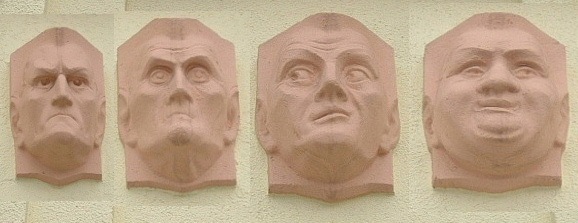
hippocratic temperament

4 humours in respective order: choleric, melancholic, phlegmatic, and sanguine

इन चार स्वभावों को हम एक सक्षिप्त  उदाहरंण से  आसानी से समझ सकते हैं । एक होटल मे चार मित्र  सूप पीने जाते है । लेकिन अचानक चारों की नजर सूप मे तैरते बाल की तरफ़ पड जाती है  पहला  मित्र देखते ही आग बबूला हो उठा , गुस्से से उसने सूप का प्याला वेटर के मुँह पर दे मारा ( Choleric ) , दूसरे ने मुँह बनाया  अपने कोट को झाडा और सीटी बजाता हुआ निकल गया (Sanguine) , और तीसरा रुँआसा सा हो गया और बोला कि यह सब उसी की जिदंगी मे अक्सर क्यूं होता रहता है (Melancholic ) और चौथा मित्र तो बडे दिमाग वाला निकला , सूप मे से बाल को किनारे किया ;सूप पिया और वेटर से नुकसान हुये सूप के बदले दूसरे सूप की फ़रमाईश भी कर डाली ( phlegmatic)

इन चार स्वभावों को देखने  से यह लगता है कि अमुक स्वभाव अच्छा या बुरा होता है , लेकिन  ऐसा नही है , प्रत्येक स्वभावों के धन पक्ष भी है और ॠण पक्ष भी । हाँ उचित सिमिलिमन से हम उन कमजोरियों को कम अवशय कर सकते हैं या यो कहें कि  ॠण पक्ष  को धन पक्ष मे बदल सकते हैं ।

एक नजर देखते हैं इन चार स्वभावों मे धन पक्ष और ॠण पक्ष की :

सैन्गूयूनि टेम्परामेन्ट (Sanguine Temperament):

धन पक्ष : हमेशा प्रसन्न रहने वाले, आत्मविशवास से भरपूर , आशावादी , बहिर्मुखी और जीवन को जीने वाले ।

ॠण पक्ष :आत्मसंतोष की कमी , संवेदन्शील, अल्पज्ञता, अस्थिरता, बाहरी दिखावा करने वाले और ईर्ष्या को झुकाव ।

फ़ेलेगमेटेक टेम्परामेन्ट ( phlegmatic Temperament) :

धन पक्ष :   अच्छी तरह से संतुलित,  जीवन के साथ संगत, भरोसेमंद, रचनात्मक और विचारशील, संतुष्ट

ॠण पक्ष : आलसी, अकर्मण्य . अपने  कर्तव्य की उपेक्षा ,  दुविधाग्रस्त, अपने कर्तवों  को टालने वाले , महत्वाकांक्षा विहीन ,  दूसरों को भी प्रेरित न कर पाना

कोरिक टेम्परामेन्ट (Choleric Temperament) :

धन पक्ष : मजबूल इच्छाशक्ति वाले , दुनिया को अपने तरीके से चलाने वाले , आत्मविशवास से भरपूर

ॠण पक्ष : प्रचंड गुस्सा , अपने को श्रेष्ठ समझना , विरोधों को सहन न कर पाना , सहानभूति का अभाव , जीवन मे छ्ल , कपट और पाखंड का सहारा लेना

मेलोन्कोलिक टेम्परामेन्ट (Melancholic Temperament) :

धन पक्ष : प्रतिभाशाली, बेहद रचनात्मक , संवेदनशील, सपने देखने वाले , अतंर्मुखी, विचारशील,  आत्म त्याग की भावना से भरपूर , जिम्मेदार, विश्वसनीय

ॠण पक्ष : चिंता और अवसाद ग्रस्त , अपनी प्रतिभा का कम उपयोग करने वाले , मुखरता की कमी , आसानी से किसी को माफ़ न कर पाना , बेहद संवेदनशील


मन और शरिरिक गठन की गहरी जडॆं
पाइथागोरस से जुडी हैं
उदर हिप्पोक्रेट्स से
शाखायें पेरासेलसस में
और फ़ल वास्तव मे हैनिमैन से जुडॆ हैं ।

हैनिमैन की प्रशंसा करनी होगी कि उन्होने Hippocratic temperaments और humors को मैटेरिया  मेडिका मे एकीकृत कर के हमे यह दिखाया  कि हम किसका इलाज कर रहे हैं और वह किस से पीडित है ।
आर्गेनान आफ़ मेडिसन मे हैनिमैन लिखते हैं :
HAHNEMANN

Aphor .211

This is true to such an extent, that the state of patient’s Mind and Temperament (Gemuethszustand) is often of most decisive importance in the Homoeopathic selection of a remedy, since it is a sign possessing a distinct peculiarity, that should least of all escape the accurate observation of the physician.

यह बात किसी सीमा तक सही और सत्य है कि रोगी की मानसिक दशा रोग के लिये उपयुक्त औषधि चुनने मे बहुत सहायक होती है । जो चिकित्सक सावधानी के साथ इस निर्णायक मानसिक लक्षण पर दृष्टि रखतेहैं उनकी तीक्ष्ण नजर से रोगी के रोग का कोई भी लक्षण छिपा नही रह सकता |

क्लीनिकल प्रकैटिस मे Constituitional prescribing की भूमिका :

रोगी को देखते हुये मूल स्वभाव को तो हम देखते ही हैं लेकिन रोग ग्रस्त मनुष्य में जब वह स्वभाव मूल  से भिन्न दिखाई पडता है तो उसकी भूमिका और भी अधिक बढ जाती है । जैसे  एक कैल्कैरिया कार्ब का रोगी जो phlegmatic स्वभाव का है किसी कारण वश बहुत उग्र हो जाता है ( Choleric)  तो उसका यह भिन्न स्वभाव दवा का  सेलेक्शन मे भिन्न्ता ला सकता है । इसी तरह मृदु भाढी पल्साटिला नारी तनाव को झेलने मे अपने को असहज  पाती है तो उसमे होने वाले स्वभावों मे अन्तर दवा के चुनाव मे फ़र्क डाल सकते हैं ।

लुक डि फ़िशर ने Hahnemann Revisited पुस्तक  मे एक उदाहरण के जरिये सचित्र इसको समझाया है ।

एक फ़ास्फ़ोर्स व्यक्त्तित्व का इन्सान जो अपनी यात्रा अपने ही व्यक्तित्व मे न कर पाया । कारण समय-२ उसके जीवन  चक्र मे आने वाले परिवर्तन ।  चित्र पर किल्क करें और देखें ।

रोगी मे आने वाले स्वभावों मे अन्तर मानसिक लक्षणॊं की श्रेणी मे आते हैं । और दवा चुनाव मे वह अपनी वरियता सबसे ऊपर रखते हैं । नये रोगों ( acute diseases ) मे इनकी भूमिका भले ही बहुत न हो लेकिन जटिल और पुराने रोगों मे यह दवा चुनाव मे महत्वपूर्ण आधार बनते हैं ।

§ 5

HAHNEMANN Useful to the physician in assisting him to cure are the particulars of the most probable exciting cause of the acute disease, as also the most significant points in the whole history of the chronic disease, to enable him to discover its fundamental cause, which is generally due to a chronic miasm. In these investigations, the ascertainable physical constitution of the patient (especially when the disease is chronic), his moral and intellectual character, his occupation, mode of living and habits, his social and domestic relations, his age, sexual function, etc., are to be taken into consideration.

सूत्र ५-रोग के मूल कारण की खोज

रोग नया हो या पुराना चिकित्सक को बीमारी के मूल कारणॊं की खोज करना नितान्त आवशयक  है । नये रोगों मे रोग उत्पन्न करने और रोग को उत्तेजना देने वाले कारणॊं पर तथा पुरानी बीमारियों मे रोग के इतिहास पर चिकित्सकों को बहुत अधीरता और सावधानी से विचार करना चाहिये क्योंकि ऐसा करने पर ही रोग के मूल कारण का पता लग सकता है । वस्तुत: चिकित्सक को रोगी की शरीर रचना और प्रकृति – गठन , शक्ति , स्वभाव , आचरण , च्यवसाय , रहन सहन , आदतें , समाजिक तथा परिवारिक संबन्ध , आयु, ज्ञान्निद्र्यों के व्यवाहार पर पूरी तरह से विचार कर लेना चाहिये ।

    § 213

    We shall, therefore, never be able to cure conformably to nature – that is to say, homoeopathically – if we do not, in every case of disease, even in such as are acute, observe, along with the other symptoms, those relating to the changes in the state of the mind and disposition, and if we do not select, for the patient’s relief, from among the medicines a disease-force which, in addition to the similarity of its other symptoms to those of the disease, is also capable of producing a similar state of the disposition and mind.1

    1 Thus aconite will seldom or never effect a rapid or permanent cure in a patient of a quiet, calm, equable disposition; and just as little will nux vomica be serviceable where the disposition is mild and phlegmatic, pulsatilla where it is happy, gay and obstinate, or ignatia where it is imperturbable and disposed neither to be frightened nor vexed.

सूत्र २१३ – रोग के इलाज के लिये मानसिक दशा का ज्ञान अविवार्य

इस तरह , यह बात स्पष्ट है कि हम किसी भी रोग का प्राकृतिक ढंग से सफ़ल इलाज उस समय तक नही कर सकते जब तक कि हम प्रत्येक रोग , यहां तक नये रोगों मे भी  , अन्य लक्षणॊं कॆ अलावा रोगी के स्वभाव और मानसिक दशा मे होने वाले परिवर्तन पर पूरी नजर नही रखते । यादि हम रोगी को आराम पहुंचाने के लिये ऐसी दवा नही चुनते जो रोग के सभी लक्षण  के साथ उसकी मानसिक अवस्था या स्वभाव पैदा करनेच मे समर्थ है तो रोग को नष्ट करने मे सफ़ल नही हो सकते ।

सूत्र २१३ का नोट कहता है :

ऐसा रोगी जो धीर और शांत स्वभाव का है उसमे ऐकोनाईट और नक्स कामयाब नही हो सकती , इसी तरह एक खुशमिजाज नारी मे पल्साटिला या धैर्यवान नारी मे इग्नेशिया  का रोल नगणय ही  रहता है क्योंकि यह रोग और औषधि की स्वभाव से मेल नही खाते ।

यही कारण है कि  पोलिक्रेस्ट होम्योपैथिक दवाओं अपना अलग-२ स्वभाव  को दिखलाती हैं । हिपोक्रेट के इस विभाजन को हैनिमैन , केन्ट , हेरिंग और ऐलेन ने मैटेरिया मेडिका मे जगह –२ प्रयोग किया है । जैसे पल्साटिला के बारे मे हैनिमैन लिखते हैं , “ Pulsatilla  is suited to a low , tearful , changeable , plegmatic temparemt “ और फ़ास्फ़ोरस के बारे मे लिखा “ quick movements , rapid resolutions , and a cheeful mood are more often found in phosphorous . औषधियों के स्वभावों को जानने के लिये मैटेरिया मेडिका का अध्यन्न तो अनिवार्य शर्त है और उससे बढकर रिपर्टेरी मे MIND SECTION मे चिन्हित उन रुब्रिक्स को समझना और रोगी की भाषा मे बदलने की माहरत होनी चाहिये ।

Visible Code” in Repertorial Perspective - Important Rubrics

Mind Chapter

1. Activity, Mental

2. Actions, behaviour

3. Agony, anguish

4. Alert, mentally

5. Anger

6. Answers, general

7. Antics, plays

8. Anxiety

9. Automatic, behaviour

10. Aversion, general

11. Awkward

12. Bashful

13. Bites

14. Boredom, ennui

15. Busy

16. Caressed, agg.

17. Cheerful

18. Childish, behaviour

19. Clinging

20. Clothed, improperly

21. Crying

22. Dancing

23. Faces, makes

24. Frown, disposed to

25. Gestures, makes

26. Gloomy, morose

27. Grimaces, makes

28. Hatred feelings

29. Hurried

30. Hyperactive, children

31. Impolite

32. Indifference

33. Kicking, behaviour

34. Laughing, behaviour

35. Laziness, indolence

36. Moaning

37. Mocking

38. Plays, with his fingers

39. Rage

40. Restlessness

41. Screaming, shrieking

42. Serious, behaviour

43. Shameless

44. Sighing, emotional

45. Singing

46. Sit, inclination to

47. Sits, general

48. Speech, general

49. Smiling

50. Suspicious

51. Sympathetic

52. Torpor

53. Violent, behaviour

54. Walking, behaviour

55. Washing, hands

56. Whistling

57. Witty

58. Yielding

(II) Children chapter

(III) Legs

(IV) Limbs

(V) Generals

 source : murphy repertory

courtesy : Dr Rajoo Kulkarani -body language and homeopathy PPS cure 7

मैटेरिया मेडिका और रिपर्ट्री मे इन चार constitutions से संबधित रुब्रिकस और औषधियों के बारे मे विस्तार से ग्रुप दिये हैं जैसे synthesis में : :source -synthesis 9

  • सैन्गूयूनि टेम्परामेन्ट (Sanguine Temperament):  Rubric mentioned under cheerful/confident/optimistic
  • फ़ेलेगमेटेक टेम्परामेन्ट ( phlegmatic Temperament) : Rubric mentioned under dullness /indifference/slowness
  • कोरिक टेम्परामेन्ट (Choleric Temperament) : passionate
  • मेलोन्कोलिक टेम्परामेन्ट (Melancholic Temperament) : despair/ grief / sadness


संभावित औषधियाँ : source -murphy repertory :

 Constitutions - CHOLERIC, constitutions
acon. ars. aur. BRY. carb-v. Caust. CHAM. coff. FERR. Hep. HYOS. kali-p. Kalm. Lach. Lyc. nat-m. Nit-ac. NUX-V. Phos. Plat. sec. Sil. sulph.

 Constitutions - SANGUINE, constitutions
Acon. ars. aur. Calc. calc-p. Cham. chin. Chinin-s. Coff. FERR. HYOS. Ign. murx. Nit-ac. Nux-v. PHOS. plat. Puls. Sang.

 Constitutions - PHLEGMATIC, constitutions
aloe Am-m. ant-t. Bell. calad. CALC. Caps. Chin. Clem. cocc. cycl. Dulc. ferr-p. hep. kali-bi. kreos. Lach. Merc. mez. Nat-c. Nat-m. PULS. seneg. Sep.

 Constitutions - MELANCHOLIC, constitutions
Acon. anac. AUR. Aur-m. bell. Bry. Calc. chin. cocc. Colch. Graph. IGN. Lach. Lil-t. Lyc. murx. NAT-M. Plat. PULS. Rhus-t. staph. stram. Sulph. verat.


 pkt 2

Blog Author ( ब्लाग रचयिता ) : डा. प्रभात टन्डन
जन्म भूंमि और कर्म भूमि लखनऊ !! वर्ष १९८६ में नेशनल होम्योपैथिक कालेज , लखनऊ से G.H.M.S. किया , और सन १९८६ से ही इन्टर्नशिप के दौरान से ही प्रैक्टिस मे संलग्न .. वर्ष १९९४ मे P.H.M.S. join करते-२ मन बदला और तब से प्राइवेट प्रैक्टिस मे ………. आगे देखें

Clinic : Meo Lodge , Ramadhin Singh Road , Daligunj , Lucknow
E mail : drprabhatlkw@gmail.com
Landline No : 0522-2740211. 0522-6544031
Mobile no : xxxxxxxxx

पूरक और वैकल्पिक चिकित्सा पद्दतियों और पशु होम्योपैथिक चिकित्सा के पहले डॆटाबेस का शुभारंभ (Launch of CAM Quest Database & Homeopathic Veterinary Database (VetCR))

Wednesday, 23 March 2011

जर्मनी में हाल ही में Carstens फाउंडेशन ने सीएएम में एक उत्कृष्ट क्लीकिल रिसर्च का ऑनलाइन डेटाबेस शुरू किया है. एक्यूपंक्चर, anthroposophic चिकित्सा, आयुर्वेद, bioenergetics, हर्बल चिकित्सा, होम्योपैथी, मैनुअल चिकित्सा, मन शरीर चिकित्सा और TCM: नौ विभिन्न उपचारोंको को इस अध्ययन मे शामिल किया गया है.
इस डेटाबेस मे जर्मनी  मे होम्योपैथिक केसों की रिपोर्ट की एक बड़ी संख्या शामिल है .वर्तमान में  यह डेटाबेस अंग्रेजी और फ्रेंच में उपलब्ध है,  लेकिन आगे  अन्य यूरोपीय भाषाओं में अनुवाद करने की योजना है.  इस साइट पर जाने के लिये  http://www.cam-quest.org  पर किल्क करें .
पहला होम्योपैथिक पशु चिकित्सा डेटाबेस (VetCR)
पशु चिकित्सा होम्योपैथी के मामले में नैदानिक ​​अनुसंधान के पहले डेटाबेस अब ऑनलाइन उपलब्ध है. मूल पशु चिकित्सा के अध्ययन पर सभी उपलब्ध साहित्य , यादृच्छिक चिकित्सीय परीक्षण, गैर यादृच्छिक चिकित्सीय परीक्षण, पर्यवेक्षणीय अध्ययन, औषधि की प्रूविगं इस साईट पर सुलभता से उपलब्ध है . इस साईट पर जाने के लिये http://www.carstens-stiftung.de/clinresvet/index.php प्रर किल्क करें .

Launch of CAM-QuestDatabase
The Carstens Foundation in Germany has recently launched an excellent online database of clinica lresearch in CAM. Studies in nine different therapies have been included: acupuncture, anthroposophic medicine, ayurveda, bioenergetics, herbal medicine, homeopathy, manual medicine, mind-body medicine and TCM.
The database includes a large number of German homeopathic case reports and provides the facility to perform searches by disease, therapy and study design. The ‘quick search’ function provides a synopsis of studies using the most common therapies for the most common diseases whilst the ‘expert search’ function enables a detailed, comprehensive search across the CAM therapies and full range of diseases within the database.
At present the database is available in English, French, Dutch and German, but there are plans to translate it into all European languages. It is accessible free of charge at  http://www.cam-quest.org
First Homeopathic Veterinary Database (VetCR)
The first database of clinical research in veterinary homeopathy is now accessible online. Containing all available literature on original veterinary studies it provides access to approximately 200 entries of randomised clinical trials, non-randomised clinical trials, observational studies, drug provings, case reports and case series.
Produced by the Carstens Foundation, the database is freely available at [ http://www.carstens-stiftung.de/clinresvet/index.php

Dynamized Homeopathic Preparations in Cell Culture- a study report in Amala Cancer Research Centre, Kerala

Thursday, 28 May 2009

Courtesy : Oxford Journal

Although reports on the efficacy of homeopathic medicines in animal models are limited, there are even fewer reports on the in vitro action of these dynamized preparations. In Amla Cancer Research Centre, Kerala , Ellanzhiyil Surendran Sunila, Ramadasan Kuttan, Korengath Chandran Preethi and Girija Kuttan have evaluated the cytotoxic activity of 30C and 200C potencies of ten dynamized medicines against Dalton's Lymphoma Ascites, Ehrlich's Ascites Carcinoma, lung fibroblast (L929) and Chinese Hamster Ovary (CHO) cell lines and compared activity with their mother tinctures during short-term and long-term cell culture. The effect of dynamized medicines to induce apoptosis was also evaluated and they have studied how dynamized medicines affected genes expressed during apoptosis. Mother tinctures as well as some dynamized medicines showed significant cytotoxicity to cells during short and long-term incubation. Potentiated alcohol control did not produce any cytotoxicity at concentrations studied. The dynamized medicines were found to inhibit CHO cell colony formation and thymidine uptake in L929 cells and those of Thuja, Hydrastis and Carcinosinum were found to induce apoptosis in DLA cells. Moreover, dynamized Carcinosinum was found to induce the expression of p53 while dynamized Thuja produced characteristic laddering pattern in agarose gel electrophoresis of DNA. These results indicate that dynamized medicines possess cytotoxic as well as apoptosis-inducing properties.

Recently, limited investigations on the efficacy of dynamized medicines in animal models as well as clinical trials have reported that potentiated Lycopodium clavatum has protective action against CCl4-induced liver damage in rats (3) and that chelidonium 30C could ameliorate both p-dimethylaminoazobenzene and azodye-induced hepatocarcinogenesis in mice (4,5). Anti-genotoxic effect of different dynamized medicines has also been reported (6,7): Arsenicum album was found to ameliorate arsenic-induced toxicity in mice as well as in clinical studies and could reduce the elevated antinuclear antibody titer and hematological toxicities (8,9). Homeopathic therapy for asymptomatic HIV carriers has also proven beneficial (10) and recently Rajendran (11) reported homeopathy as a supportive therapy in cancer. Pathak et al. (12) investigated Ruta 6 on regression of human glioma brain cancer cell growth clinically and found that Ruta induces severe telomere erosion in MGRI brain cancer cells but has no effect on B-lymphoid cells and normal lymphocytes. Banerji and Banerji (13) reported that Ruta was effective for intracranial cysticercosis.

Very few investigations have explored the action of dynamized medicine in in vitro cell culture systems. Podophyllum has been shown to inhibit adhesion of neutrophils to serum-coated micro plates (14). Traumeen S, a homeopathic formulation used clinically to relieve trauma and inflammation has been shown to inhibit the production of Interleukin-β, TNF-{alpha} and Interleukin-8 by human T cells and monocytes in culture (15). Many homeopathic drugs at low potencies were found to potentiate oxidative metabolism in cultured cells (16).

Medicines Used :

From होम्योपैथी नई सोच/ नई दिशायें

Results:

Although the healing potential of homeopathic drugs is widely accepted, the exact mechanism of action is still unclear. In paragraphs 63–69 of Organon, Hahneman describes the mechanism of action through the ‘primary action’ of the medicine (dynamized or not) and the ‘secondary and curative reaction’ of the organism: ‘Every agent that acts upon the vitality, every medicine, deranges more or less the vital force, and causes a certain alteration in the health of the individual for a longer or a shorter period. This is termed primary action. Although a product of the medicinal and vital powers conjointly, it is principally due to the former power. To its action our vital force endeavors to oppose its own energy. This resistant action is a property, is indeed an automatic action of our life-preserving power, which goes by the name of secondary action or counteraction’. We have tried to explain the mechanism of action of the dynamized preparations taking into consideration the original proposition by Samuel Hahnemann and have approached this problem by investigating the action of dynamized drugs in various cultured cells in a systematic scientific manner.

Cytotoxic activity of a drug is often considered a first step towards elucidating its possible use against cancer and all of the drugs selected are being used by homeopathic practioners against cancer. They have  found that in short-term cytotoxicity research, some of the dynamized preparations showed significant cytotoxic actions against cancer cell lines and at times the activity was higher than that of the mother tinctures. For example, Conium at 200C potency was more cytotoxic than its mother tincture and that the cytotoxicity induced by Carcinosinum was higher at 200C than at 30C potency indicating that dynamization induces the cytotoxic potential of these medications. Results were more pronounced during MTT assay in which a longer period of incubation was involved. Many dynamized preparations at potency of 200C inhibited the growth of L929 cells. Clonogenic assay using CHO cells is a standard method to determine growth inhibitory activity of the drugs and we found that dynamized preparations of Thuja, Hydrastis, Carcinosinum and Podophyllum at 200C potency almost completely inhibited the CHO colony formation. As in other cases, Conium 200C was more active than 30C. We have confirmed the cytotoxic potential of dynamized preparations by thymidine uptake, for the marker of the inhibition DNA synthesis. As in the case other experiments, DNA synthesis was significantly inhibited by several dynamized preparations.

Cytotoxicity could be produced in cells either by necrosis or by apoptotic induction. Apoptosis, which is known as programmed cell death is highly regulated by events taking place within the cell and is highly relevant with respect to the destruction and removal of transformed cells from the body. The induction of apoptosis could be an external agent and a cascade of reactions taking place within the cell produces an ultimate cell death. Some of the events via occurring during apoptosis include morphological changes in the cell, production of apoptotic bodies, damage to genetic material and finally induction of proteolytic enzymes, which produces cellular destruction. Apoptosis could be visualized by morphology and DNA laddering. In the present study, dynamized preparations induced apoptosis as observed from their morphology and DNA laddering. Moreover, dynamized preparation of Carcinosinum could induce the p53, which is considered to be a proapoptotic protein and involved in signal transduction pathway.

The mechanism of action of some of the homeopathic drugs has been proposed. Potentiated preparation of Ruta possesses protective action on normal B-lymphoid cells against H2O2-induced chromosomal damage (13). Moreover, the telomere erosion was enhanced in cancer cells by treatment with Ruta while normal cells showed no change. Thus, the telomeres that protect individual chromosomes of cancer cells are damaged by Ruta, which may be the mechanism of its therapeutic action in brain cancer (13).

The protective effect of Chelidonium against p-DAB-induced hepatic cancer may occur by the modulating effect of the drug on restoration of damage caused to several gene-regulated phenomena like enzyme activities and chromosomal abnormalities. This gives insight into the mechanism of action, which may be by means of interfering with the process of carcinogenesis by actively modifying actions of oncogenes or by activating tumor suppressor genes (5). Another mechanism of actions of homeopathic drugs may occur through immune modification. Benveniste (17) has shown that human basophils undergo degranulation not only at usual anti-IgE antibody doses but also at extremely high dilutions. Bastide (18)has shown the therapeutic effect of high dilution of {alpha}–β interferon and thymic hormones on cellular immunity and had good therapeutic effect in immunodepressed patients. Similarly Bentwich et al. (19) revealed that small amounts of antigens are capable of specific antibody response. The role of immunity in the therapeutic efficacy of homeopathic medicines has also been reviewed (20).

There  results indicate that the dynamized preparation initially produces a secondary action on cells that is in line with the original proposition by Hahnemann on the mechanism of action of medicines dynamized or not. However, limited knowledge in this area does not fully explain the mechanism of action of all drugs . More scientific analyses are warranted to elucidate these interesting preparations of ultra dilutions.

Download full study report

in pdf : http://ecam.oxfordjournals.org/cgi/reprint/6/2/257

in text : http://ecam.oxfordjournals.org/cgi/content/full/6/2/257

Is homeopathy compatible with cancer therapy?

Monday, 20 April 2009

Source : CAM Report

This Cochrane review evaluated homeopathic medicines used to prevent or treat side effects of cancer treatments.

First, the details.

  • 8 studies in 664 participants were selected for review.
    • 3 studied adverse effects of radiotherapy
    • 3 studied adverse effects of chemotherapy
    • 2 studied menopausal symptoms associated with breast cancer treatment

And, the results.

  • 2 studies in 254 patients reported superiority of topical calendula (aka marigold) over trolamine (a topical non-steroidal drug) to prevent radiotherapy-induced dermatitis.
  • A study of 32 patients demonstrated superiority of Traumeel S over placebo as a mouthwash for chemotherapy-induced stomatitis (inflammation of the mouth).
    • Traumeel is a homeopathic anti-inflammatory and analgesic preparation containing 12 botanicals and 2 minerals.
  • 2 other studies reported positive results, although the risk of bias was unclear.
  • 4 studies reported negative results.

The bottom line?
Yes, there’s some supporting evidence for calendula and Traumeel S, concluded the authors. However, “there is no convincing evidence for the efficacy of homeopathic medicines for other adverse effects of cancer treatments.”

Regarding radiotherapy-induced dermatitis: Researchers from Princess Margaret Hospital, in Ontario, Canada conducted a review to evaluate prevention and management of acute skin reactions related to radiation therapy. They concluded, “Skin washing… should be permitted in patients receiving radiation therapy to prevent acute skin reaction.”

They also concluded, “There is insufficient evidence to support or refute specific topical or oral agents [including calendula] for the prevention or management of acute skin reaction.”

Regarding chemotherapy-induced stomatitis: NHS Trust has published an algorithm to guide management of stomatitis and mucositis for oncology patients receiving chemotherapy.

High Dilution Growth Factors/Cytokines: Positive Immunologic, Hematologic and Clinical Effects in HIV/AIDS Patients

Friday, 13 March 2009

High Dilution Growth Factors/Cytokines: Positive Immunologic, Hematologic and Clinical Effects in HIV/AIDS Patients

Source : Bastyr University Research Institute

Barbara Brewitt, PhD; Leanna Standish, ND, PhD Biomedical Explorations, Seattle, WA; Bastyr University Health Clinic, Seattle, WA

Objective: Determine efficacy of administering 4 high dilution cytokines; platelet-derived growth factor BB, insulin-like-growth factor-1, transforming growth factor beta 1, and granulocyte-macrophage colony simulatin factor (GM-CSF).

Methods: Sixteen weeks treatment group ("TX")/placebo group ("PL"): CD4 counts 200-500 and 16 weeks open label study: CD4 counts 1250550, 10 drops/3X day/bottle p.o. growth factor type or placebo. Exclusion criteria: antiretroviral or steroidal therapy. Monthly evaluations: T/B lymphocytes, blood chemistry plus lipids, complete blood count, platelets, erythrocyte sedimentation rate (ESR), weigh, opportunistic infections (OIs) and HIV viral load (open label only). Growth factors/cytokines diluted (10-60, 10-400, 10-2000 molar), well beyond Avogadro's number.

Results: TX/PL started with CD4s of 330±14 cells/ul (SEM). TX (n=13) raised CD4 & CD8 counts by 13±12 cells/uL and 83±4 cells/uL, respectively, vs. -55±15 CD4 cells/uL (p<0.008) by 16 weeks and -246±60 CD8 cells/uL (p<0.04 within group) by 20 weeks in placebo group (n=9). TX had no OIs vs. 20% Ois in PL. ESR with treatment decreased from 19±3 to 11±2 mm/hr between 8th and 16th week (p<0.01) vs. no change in placebo group, 20±5 to 17±4 mm/hr. TX gained +2.0±1.0 lbs vs. -4.0±1.4 lbs. in the placebo (p<0.01). Viral load was measured monthly in a separate group of patients (n=8) with CD4 count of 242±23 cells/uL. Viral decreased from 203,400±106,300 to 105,000±43,500 RNA copies/mL after 16 weeks of treatment, a decrease of 0.3 log unit. When PL patients were crossed over to treament for another 16 weeks, CD4, CD8 counts and viral load stabilized (112,000±19,000 RNA copies/mL) plus weigh loss was reversed. Eight patients completed 11 months of treatment with ending viral loads of 19,500±6,000 and 38% had no detectable virus, with CD4 and CD8 counts stable at baseline values. Twenty-five percent of patients were thrombocytopenic. During their first month of treatment, platelets rose 23% (111,000±22,000 to 136,000±29,000 plt/uL); 57% patients achieved normal values. Two patients enrolled in a single high dilution GM-CSF treatment, rose from 16,000 to 48,000 and 141,000 to 174,000 plt/uL after only one month of treatment.

Results suggest that unknown biophysical mechanisms of high dilutional growth factors/cytokines may exert immunological effects in HIV/AIDS.

Related posts :

कम्पलीट रिपर्ट्री २००९ – डाउनलोड के लिये उपलब्ध

Wednesday, 11 March 2009

साभार: Edwin van Grinsven & Roger van Zandvoort

complete 2009

विशव मे सभी प्रोफ़ेशनल होम्योपैथों के बीच  कम्पलीट रिपर्ट्री की पहचान अपनी पूर्णता , सटीकता और मूल स्त्रोतों के कवरेज के लिये प्रसिद्ध है । रैजर वान जैन्ड्रवुड और इडविन वैन ग्रिन्सवन इसके पहले भी समय –२  पर नवीनतम संस्करणॊं को फ़्री मे डाउनलोड के लिये उपलब्ध करा  चुके हैं ।  कम्पलीट रिपर्ट्री २००९ का नवीनतम संस्करण डाउनलोड के लिये उपलब्ध है । इस नवीनतम संस्करण की कुछ मुख्य विशेषताओं मे  सर्चिगं का तरीका  और अधिक सुगम और प्रभावशाली , नये लक्षणॊं और औषधियों  का समावेश और नये स्त्रोतों से मिल रही जानकारी का समावेश भी  है । और सबसे विशेष बात कि यह बिल्कुल मुफ़्त है । बहुत से होम्योपैथिक चिकित्सकों  जिनके लिये नये और महँगे कम्पयूटर प्रोग्रामों  को खरीदना संभव नही है , यह एक अमूल्य तोहफ़ा है ।

कम्पलीट रिपर्ट्री के नवीनतम संस्करण को डाउनलोड करने के लिये यहाँ किल्क करे ।

रैजर वान जैन्ड्रवुड और इडविन वैन ग्रिन्सवन के द्वारा किये जा रहे कार्यों को जानने के लिये किल्क करें :

कम्पलीट रिपर्ट्री :  http://www.morphologica.com

कम्पलीट डायेनेमिक :  http://www.completedynamics.com

Amongst homeopathic professionals, the Complete Repertory is worldwide renowned for its completeness, accuracy and coverage of original sources.

Some of the  features are no books to carry around, a lighter life. find anything, see authors and sources &  use all x-references etc.

Thanks to Roger van Zandvoort & Edwin van Grinsven this software is available free to download .The software is available for Apple ® Mac and Microsoft ® Windows computers.Click HERE to download the free browser edition of entire complete repertory .

60 per cent of doctors’ surgeries prescribe homeopathic or herbal remedies in Scotland

Friday, 6 March 2009

Sixty per cent of doctors’ surgeries in Scotland prescribe homeopathic or herbal remedies, according to a study of nearly two million patients, published in the December issue of the British Journal of Clinical Pharmacology.

Source : Homeopathic and herbal prescribing in general practice in Scotland. Ross S, Simpson C R and McLay J S. British Journal of Clinical Pharmacology

 Researchers from the University of Aberdeen analysed official prescribing data from 2003-4, covering 1.9 million patients from 323 practices.
Their findings have led them to call for a critical review of homeopathic and herbal prescribing in the UK National Health Service, particularly the high levels given to babies and children under 16.
The research team discovered that:
• 49 per cent of practices prescribed a total of 193 different homeopathic
remedies and 32 per cent prescribed 17 different herbal remedies.
• Five per cent of the practices included in the study prescribed 50 per cent
of the remedies and accounted for 46 per cent of the patients receiving
them.
• 4160 patients (2.2 per 1000 registered patients) were prescribed at least
one homeopathic remedy during the study period. 73 per cent were female
and the average age of patients was 47.
• Children under 12 months were most likely to be prescribed a homeopathic
or herbal remedy (9.5 per 1000 children in that age group), followed by
adults aged 81-90 (4.5 per 1000). 16 per cent of homeopathic prescribing
was to children under 16.
• 361 patients were prescribed at least one herbal remedy during the study
period (0.2 per 1000 registered patients) and 12 per cent of these were
children under 16 years old. 72 per cent of prescriptions were issued to
females and the average age was 61.
• Doctors who prescribed patients a homeopathic remedy also prescribed
them a median of four conventional medicines during the study period.
This figure went up to five for people prescribed herbal remedies.
• Four per cent of patients prescribed a herbal remedy were, at the same time, prescribed conventional medication that has been documented to
interact with herbal treatments.
• The top five prescribed homeopathic remedies were
Arnica montana (for injury, bruising),
Rhus toxicodendron (joint symptoms, headache)
Cuprum metallicum (cramp, poor circulation)
Pulsatilla (PMT, menopausal symptoms, breast feeding problems) and
Sepia (PMT, menopausal symptoms, fatigue).
• The top five prescribed herbal remedies were:
Gentian (poor appetite, digestive problems),
Cranberry (urinary tract infection)
Digestodoron (indigestion, heartburn, constipation)
Evening primrose (PMT) and Laxadoron (constipation)
“Our study shows that a substantial number of Scottish family doctors prescribe homeopathic and herbal remedies” says co-author Dr James McLay
from the University’s Department of Medicine and herapeutics.
“This level of prescribing raises important questions about homeopathic and herbal provision in the UK’s National Health Service
“The major problem with homeopathic preparations is the lack of scientific evidence that they are effective.
“Given the rise of evidence-based medicine and the trend toward prescribing
guidance in the UK, should therapies with no convincing positive clinical trial evidence be prescribed and funded by the health service?
“Or are proponents of such remedies correct in stating that the difficulties inherent in trialling such therapies make evidence irrelevant.
“Whatever the arguments, our study shows an apparent acceptance of homeopathic and herbal medicine within primary care, including extensive use
in children and young babies. We believe that these findings underline the need for a critical review of this prescribing trend.”
“The research by the University of Aberdeen adds an important dimension to the ongoing debate about homeopathic remedies, as it shows what is actually happening at grass roots in Scottish general practice,” adds Dr Jeffrey
Aronson, Editor-in-Chief of the Journal and Reader in Clinical Pharmacology at Oxford University.
“In September 2006 the Medicines and Healthcare products Regulatory
Agency (MHRA) introduced new rules to regulate homeopathic medicines, allowing manufacturers to specify the ailments for which they can be used.
“This move has been criticised by a number of leading UK scientific institutions, who argue that homeopathic medicines should not be allowed to make ‘unsubstantiated health claims’ and that the policy is damaging to patients’ best interests.
“We hope that this paper will further inform the debate, as it provides clear evidence on prescribing patterns within the NHS and raises a number of important issues, particularly about prescribing homeopathic and herbal remedies to children.”

Research Supporting Homeopathy

Sunday, 1 March 2009

Source: http://www.healthnews.com/blogs/melanie-grimes/natural-health/alternative-medicine/research-supporting-homeopathy-2596.html


The first double-blind crossover study ever performed was conducted by homeopaths in 1906. This study was run concurrently in eleven different cities on fifteen subjects. The documentation of this experiment consisted of 665 pages, published as Research Provings of Belladonna. Also at the turn of the nineteenth century, a book on homeopathic research was published called The Logic of Figures or Comparative Results of Homeopathic and Other Treatments. This book provided dozens of charts comparing disease and death rates in homeopathic and allopathic (mainstream) hospitals. This research also investigated statistics on the epidemic diseases of scarlet fever, yellow fever, and typhoid. The research showed that homeopathic hospitals had an average of 50 to 80 percent fewer deaths per 100 people, depending on the disease compared.
During World War II, an early double-blind study of homeopathy was sponsored by the British government. The experiment demonstrated that those given homeopathic remedies experienced a significant improvement in burns from mustard gas compared to those given placebo.
Many modern clinical trials are currently underway, looking for evidence of the efficacy of homeopathy from controlled trials in human subjects. More than 100 clinical trials have been conducted, some published in highly prestigious journals such as Lancet and JAMA. In 1997, K. Linde and W. Jonas, directors of the Alternative Medicine Evaluation Department of the National Institute of Health, co-signed a meta-analysis which evaluated 186 clinical trials on homeopathic therapies. Among the 105 trials whose results could be interpreted, 81 presented positive results, while homeopathy did not have a positive effect in 24 others. The authors concluded that, "the results of this meta-analysis are incompatible with the hypothesis that the clinical effects of homeopathy are due exclusively to a placebo effect."
Proliferation of interest in the area of clinical research abounds. In April 2003, a two-day conference was held in London on the topic of clinical research. Dick Koster  reports: "Those who are opposed to homeopathy…base their conclusion on the last negative study…. Followers of homeopathy herald all positive news and complain about serious design flaws in negative studies…. Both sides claim their successes and failures as definitive while in reality, new research…would only add or subtract a small effect to or from the already existing evidence…of homeopathy being true." This being said, Koster goes on to say that "homeopaths look at their patient results and believe that no amount of negative research could topple their belief in homeopathy."
A recent double-blind study has shown the antiviral effect of homeopathic remedies. Eight of the ten remedies tested inhibited viruses in chicken embryos from 50 to 100 percent depending on the potencies used. German scientists at a Veterinary College showed use of the homeopathic remedy Chelidonium lowered serum cholesterol when given twice a day to rabbits on a cholesterol rich diet.
The British Journal of Clinical Pharmacology published a double-blind experiment on patients with rheumatoid arthritis. Of those given a homeopathic medicine, 82 percent experienced some relief of symptoms, while only 21 percent of those given a placebo experienced any similar degree of improvement.
Research has also been conducted in the use of homeopathy in cancer. In 77 mice that received a transplant in fibrosarcoma, 52 percent survived more than a year when treated with homeopathic remedies. The 77 untreated mice died within 10-15 days.
Many critics of homeopathic research site flaws in the designs of the studies, weakness in reporting and measuring techniques, small numbers of study participants, and the difficulties in replicating results. Homeopathy works and the proof is in the pudding. Because the science is based on one remedy for one person, it is difficult to construct studies and judge the results. Clinical results have noted homeopathic cures taking place around the globe for over 100 years. The miniscule doses are still immeasurable by today’s science, but in the future, equipment will be designed that can adequately measure the healing effects of homeopathy.

अंतर्राष्ट्रीय जर्नल " Homeopathy" के हाल के प्रकाशन

Monday, 12 January 2009

एक समय मे " ब्रिटिश होम्योपैथी जर्नल " के नाम से विख्यात  यह अंतर्राष्ट्रीय जर्नल अब  " Homeopathy " के शीर्षक से निकलता  है , रायल होम्योपैथिक कालेज के डीन डा. पीटर फ़िशर इसके संपादक हैं और पहले  ही तरह आज भी इसके लेख और रिसर्च पेपर होम्योपैथिक चिकित्सकों के लिये उतने ही प्रसांगिक और महत्वपूर्ण हैं । लेखों की गुणवत्ता होम्योपैथिक मे हो रहे आधारभूत अनुसंधान और साक्ष्य पर केन्द्रित रहे हैं और पीटर फ़िशर के तत्वधान मे चल रही इस जर्नल का मुख्य उद्देशय होम्योपैथी मे अनुसंधान और साक्ष्य को सामने लाना भी है ।

नीचे दिये लिंक पर किल्क कर के देखें कि " होम्योपैथी " ताजे अंको मे क्या -२ संग्रीहत है ।

Homeopathy is an international journal aimed at improving the understanding and clinical practice of homeopathy by publishing high quality articles on clinical and basic research, clinical audit and evidence-based practice of homeopathy. Click on the links below to read what's  going on in the latest issue of Homeopathy .

The 2005 meta-analysis of homeopathy: The importance of post-publication data Rutten ALB, Stolper CF : Click here for the Press release.

  • Lipid peroxidation, erythrocyte antioxidants and plasma antioxidants in osteoarthritis before and after homeopathic treatment
    Publication year: 2008
    Source: Homeopathy, Volume 97, Issue 4, October 2008, Pages 185-189
    S., Pinto , A.V., Rao , A., Rao
    Objective: This study attempts to evaluate the status of oxidative stress in osteoarthritis (OA), by measuring some parameters of oxidant stress and antioxidant defenses in blood, before and after homeopathy treatment, and to asses the role, if any, of homeopathic treatment in modulating free radical toxicity in OA. Methods: Erythrocyte lipid peroxidation (LP), erythrocyte antioxidants viz., glutathione (GSH), glutathione reductase (GR), superoxide dismutase (SOD), catalase (CT) and plasma antioxidants viz., ceruloplasmin, glutathione-S-transferase (GST), vitamin C, total antioxidant activity (AOA) were determined in eighty one patients with OA and fifty three normals. Forty seven patients, who were treated with homeopathic remedies were considered for...
  • Effects of a homeopathic complex in Nile tilapia (Oreochromis niloticus L.) on performance, sexual proportion and histology
    Publication year: 2008
    Source: Homeopathy, Volume 97, Issue 4, October 2008, Pages 190-195
    M., Valentim-Zabott , L., Vargas , R.P.R., Ribeiro , R., Piau Jr. , M.B.A., Torres , ...
    This study aimed to evaluate the effects of the homeopathic complex Homeopatila RS® (REAL Homeopathy, Brazil), in the performance, sexual proportion and gills and liver histology of the Nile tilapia fish (Oreochromis niloticus L.). 4,800 post-larvae were treated for 45 days, in 12 tanks (500L), in a closed environment, with density of 400 larvae per tank. Three treatments were given: alcohol 30%, negative control (C); hormonal, positive control, 17α-methyltestosterone (H); homeopathic, Homeopatila RS®, in ethanol (HH), with four replications. Mean values for length, weight, liver somatic index, condition factor, survival rate, average values of histological alterations and sexual proportion were...
  • A nuclear magnetic resonance spectroscopy comparison of 3C trituration derived and 4C trituration derived remedies
    Publication year: 2008
    Source: Homeopathy, Volume 97, Issue 4, October 2008, Pages 196-201
    Izel, Botha , Ashley H.A., Ross
    Background: Trituration of base substances, commonly to the 3cH level, is the cornerstone of the homeopathic pharmaceutical process or insoluble solutions.1 Becker and Ehrler claim that trituration to 4cH gives a new, spiritual dimension to the homoeopathic medicine picture.2 Aim and method: This study sought to establish whether the claim that C4-derived potencies possess different physicochemical qualities to the homoeopathic medicines derived from a 3cH trituration is valid. All potencies were produced by hand according to the German Homoeopathic Pharmacopoeia (GHP). Five different samples were analysed using Nuclear Magnetic Resonance (NMR) Spectroscopy. Results: The results indicated a significant difference between the 12cH samples of potassium...
  • A randomized controlled trial of homeopathic treatment of weaned piglets in a commercial swine herd
    Publication year: 2008
    Source: Homeopathy, Volume 97, Issue 4, October 2008, Pages 202-205
    F.R.M., Soto , E.R., Vuaden , C.dP., Coelho , N.R., Benites , L.V., Bonamin , ...
    Aim: To evaluate the zootechnic performance and occurrence of diarrhea in piglets in the week post-weaning comparing supplementation with sucrose saline which contained or did not contain added homeopathic medicine. Method: Animals were randomly divided into three groups of 24 piglets each. The control group did not receive any treatment. Another group received sucrose saline, and the third group received sucrose saline with homeopathic medicine added, in the period of zero to seven days post-weaning. The homeopathic treatment consisted of Echinacea angustifolia, Avena sativa, Ignatia amara, Calcarea carbonica, all 6cH. Piglets were weighed daily for weight gain or loss, and observed for diarrhea...
  • Homeopathic practice in Intensive Care Units: objective semiology, symptom selection and a series of sepsis cases
    Publication year: 2008
    Source: Homeopathy, Volume 97, Issue 4, October 2008, Pages 206-213
    M.Z., Teixeira , S.M., Leal , V.M.F.A., Ceschin
    Homeopathy has been used for more than two hundred years to treat chronic disease using various approaches in a wide range of diseases. However, for acute disease and critical illness, application has been limited by inadequate training of homeopathic physicians and the small number of pertinent clinical studies. In view of the difficulty of practising homeopathy in Intensive Care Units (ICU), a protocol was developed to facilitate description of objective homeopathic symptoms with a ranking of symptoms appropriate for these situations (Protocol for Objective Homeopathic Semiology). Examples of favorable results with individualized homeopathic treatments for a series of cases of...
  • How can we change beliefs? A Bayesian perspective
    Publication year: 2008
    Source: Homeopathy, Volume 97, Issue 4, October 2008, Pages 214-219
    A.L.B., Rutten
    How can Randomised Controlled Trials (RCTs) change our beliefs? The fact that they do update prior beliefs to different posterior beliefs is explained by Bayesian philosophy.Crucial points in Bayesian analysis include setting the first prior expectation right and sequential updating of the prior in the light of new evidence. Bayesian analysis depends highly on the evidence included.RCT evidence can only falsify the placebo hypothesis, it cannot indicate which mechanism of action could be responsible for an intrinsic effect and therefore cannot overturn existing beliefs. Bayesian reasoning could structure further discussion, but subjectivity is an inherent element of this process. In...
  • 20 years ago: The British Homoeopathic Journal, October 1988
    Publication year: 2008
    Source: Homeopathy, Volume 97, Issue 4, October 2008, Pages 220-222
    S.T., Land
  • Sheilagh Creasy, Integrity of Homeopathy Price: € 34, 00 , Verlag Peter Irl, Buchendorf, Germany (2007) ISBN 978-3-933666-19-2.
    Publication year: 2008
    Source: Homeopathy, Volume 97, Issue 4, October 2008, Page 223
    David, Owen
  • Frederik Schroyens, Editor, The Essential Synthesis, Homeopathic Book Publishers, UK (October 2007) ISBN-13: 978-09557151-0-5 £65.00.
    Publication year: 2008
    Source: Homeopathy, Volume 97, Issue 4, October 2008, Pages 223-224
    M., Jørgensen
  • Elizabeth Wincott 1941–2008
    Publication year: 2008
    Source: Homeopathy, Volume 97, Issue 4, October 2008, Page 225
    Tom, Whitmarsh